
A community is a group of people connected by shared values, interests, circumstances, or location. Communities range from neighborhood groups and religious congregations to global fandom networks and professional associations. They can be formal or informal, local or borderless, and online or in person.
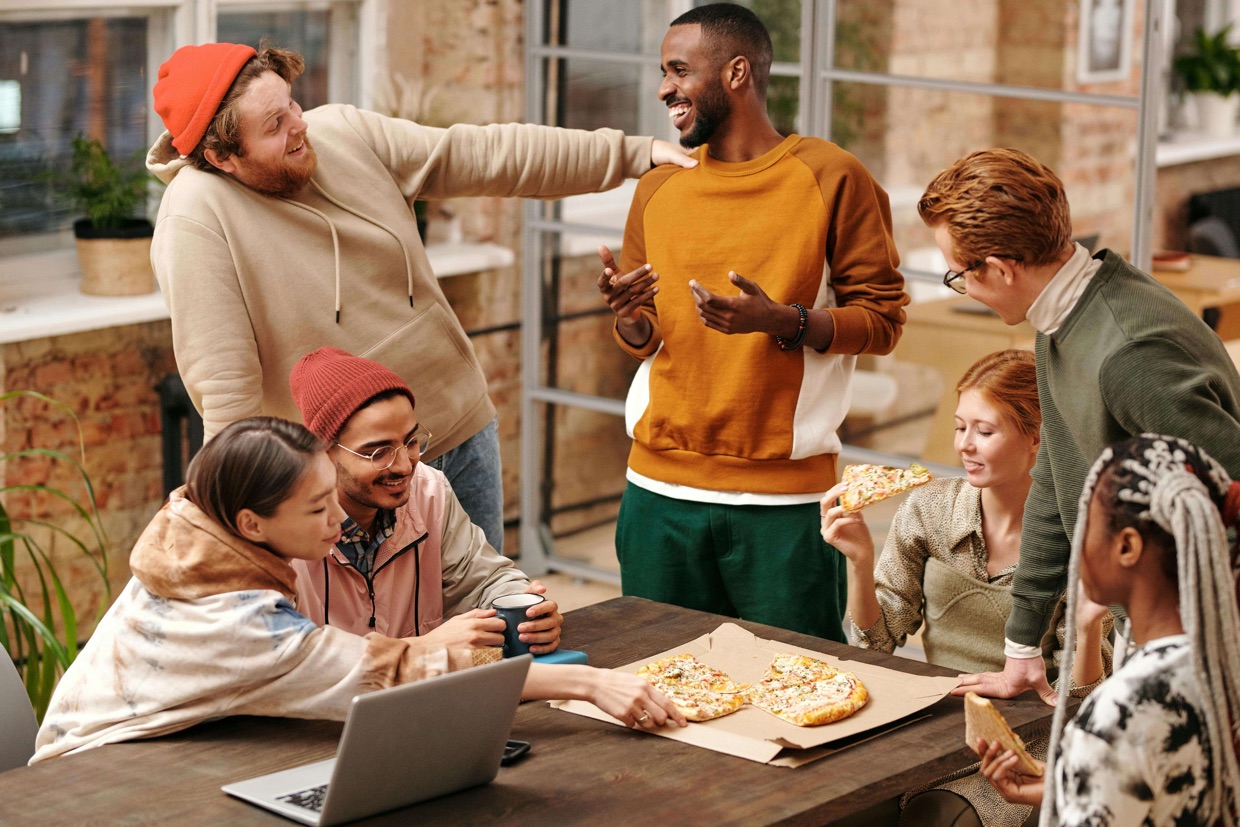
Communities exist because people have consistent needs for belonging, identity, and mutual support. Community building is the practice of deliberately creating the conditions that make those connections sustainable. A community's strength comes from what its members share and from the structure that sustains participation over time.
This article maps eight community categories and 26 specific community types, with examples of each. Understanding these distinctions helps organizations, founders, and community managers identify which model fits their purpose and how to support it effectively.
Communities of Interest: Groups Formed by Common Interests
Communities of interest form around shared hobbies, topics, or creative pursuits. They do not require professional credentials or geographic proximity. Membership is voluntary and driven by genuine enthusiasm for the subject.

Examples of communities of interest:
1. Hobby-Based Communities: Enthusiasts gather to share experiences and learn from each other. Examples include photography clubs, book reading clubs, knitting circles, and model-building groups.
2. Cultural & Art Groups: These include theater troupes, art collectives, and book discussion forums that provide a space for creative exploration.
3. Online Interest Forums: Social media groups, subreddits, and forums like Travel or Fitness connect people globally.
Communities of interest thrive on mutual learning, collaborative projects, and shared enjoyment. What sustains them long-term is consistent content, clear participation norms, and the feeling that members are gaining something real from staying involved: knowledge, skill, or social connection.
Communities of Passion: Emotional Commitment-Based Groups
Communities of passion form when people feel strongly about a cause, idea, or cultural phenomenon. The binding force is emotional investment, not just shared knowledge or location. About 40% of US consumers surveyed by Deloitte say fandom for their favorite music artist is important to their identity.[1]
Passion also drives civic engagement. In a 2023 Pew Research Center survey, 46% of US social media users said they had taken part in at least one form of activism on social media in the past year.[2]
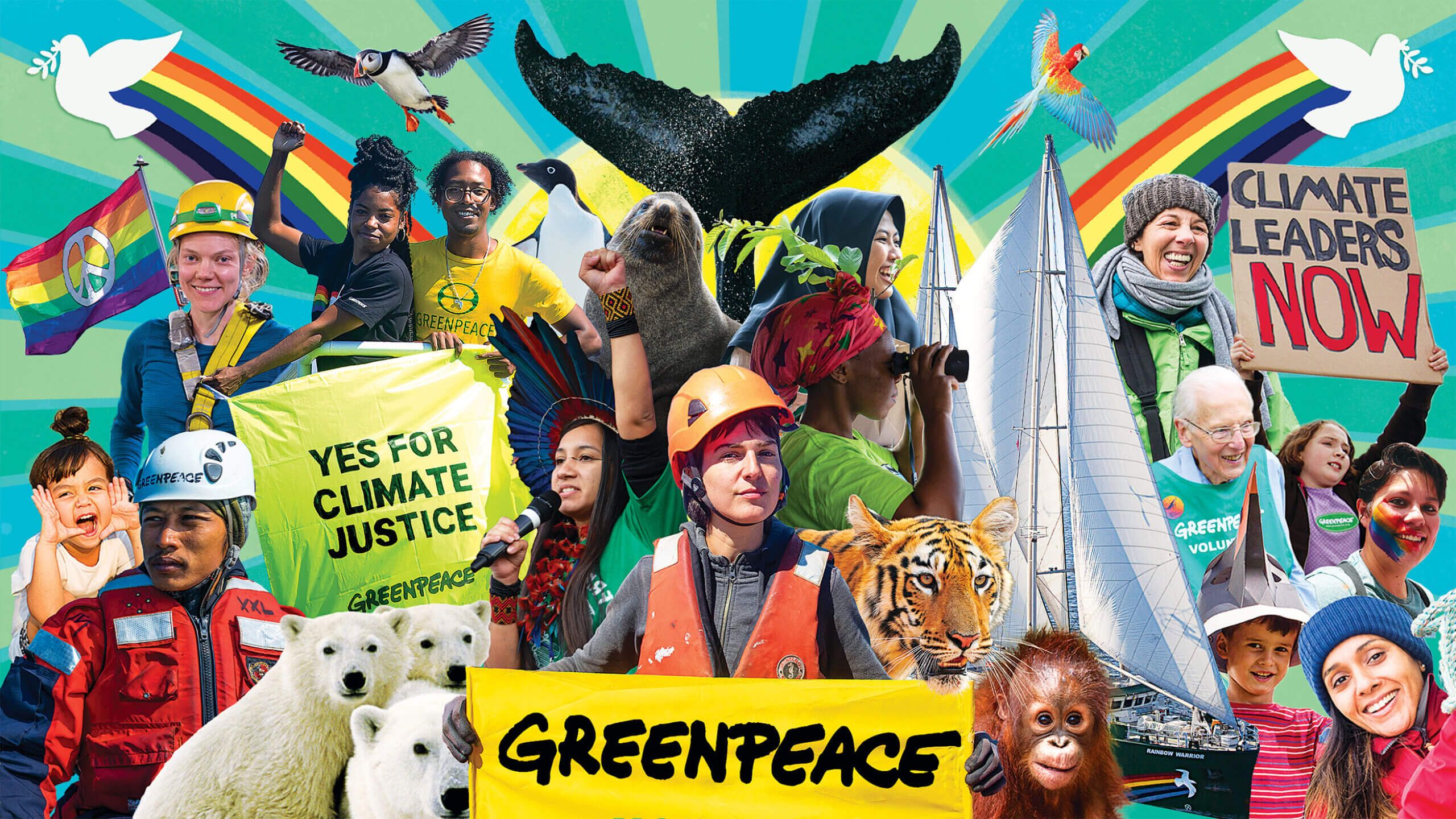
Key passion-driven communities:
4. Activist Movements: Social and political movements like Black Lives Matter, environmental groups like Greenpeace, and women's rights organizations fight for social justice.
5. Fandom Communities: Fan-driven groups celebrate cultural works such as movies, books, and video games. Popular examples include Harry Potter fans attending conventions or Marvel enthusiasts sharing fan art online.
6. Cause-Oriented Networks: Nonprofits and volunteer-led groups mobilize support for humanitarian causes, such as animal rights organizations or global hunger relief projects.
Passion-driven communities often produce strong in-group loyalty and high levels of member-generated content. Managing them requires acknowledging member identity. People in these communities do not just participate; they define themselves through their affiliation.
Communities of Practice: Skill and Knowledge-Sharing Networks
Communities of practice consist of professionals or practitioners collaborating to deepen their expertise. Members share knowledge, mentor each other, and develop shared standards or tools. More associations grew than shrank in 2023: 49% of professional associations reported an increase in total membership, while 22% reported a decline.[3]
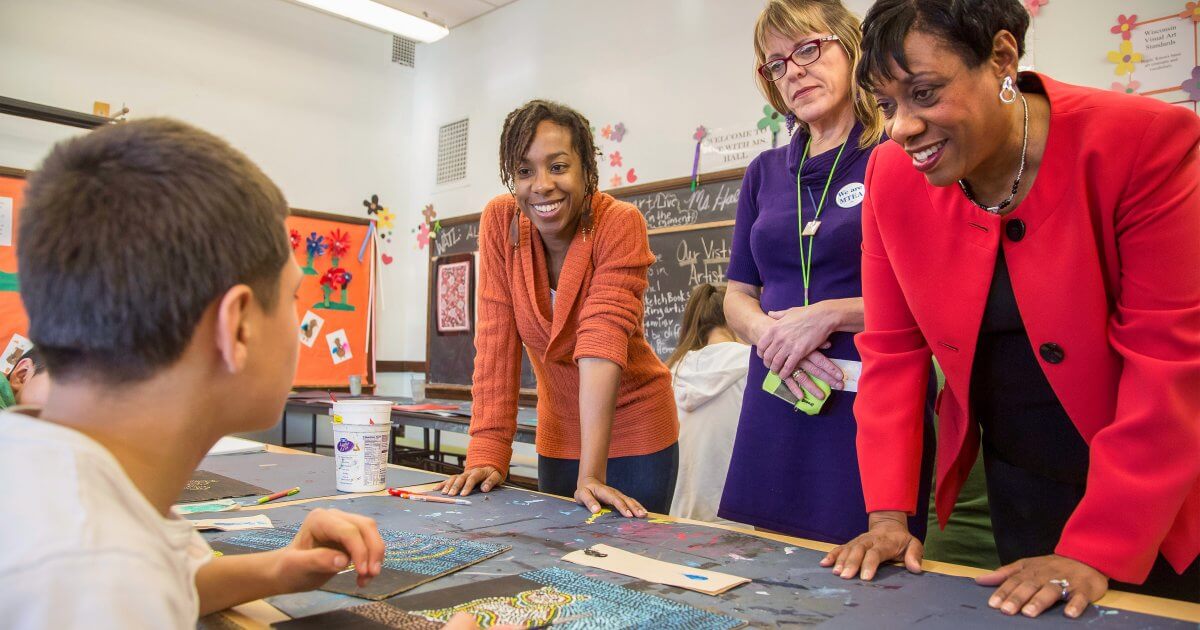
Examples of professional communities:
7. Educational Networks: Teacher associations like the National Education Association share teaching resources and strategies.
8. Technology Forums: Platforms like Stack Overflow connect developers for troubleshooting and project collaboration.
9. Creative Guilds: Artists and designers form collectives to share ideas, hold exhibitions, and develop industry standards.
10. Alumni Networks: Universities, companies, and civic organizations maintain alumni communities that provide career connections, mentorship, and long-term professional development. Alumni networks are distinctive in that the shared experience is retrospective. Members are bound by where they were, not just where they are now.
Communities of practice generate value that formal training programs rarely match. Practitioners learn from people solving the same problems in real time, which produces faster knowledge transfer and more relevant feedback than structured curricula alone.
Communities of Action: Mission-Driven Groups
Communities of action mobilize people toward specific social, political, or civic goals through collective effort: volunteering, advocacy, and direct aid. The global scale is substantial. An estimated 2.1 billion people volunteer monthly, representing 34.5% of the global working-age population, according to UN Volunteers.[4]
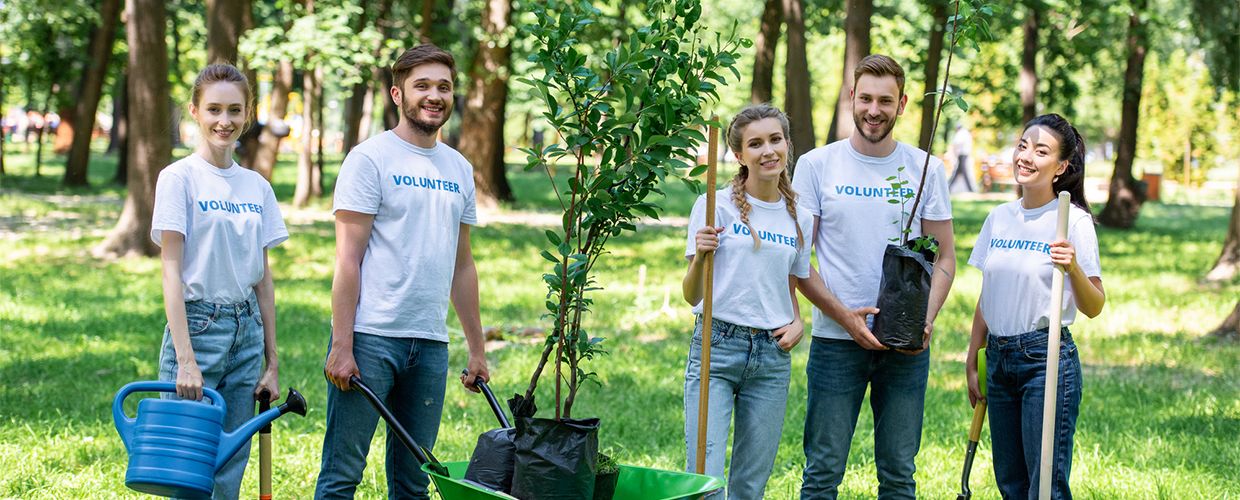
Examples of action-oriented communities:
11. Volunteer Groups: Organizations like Habitat for Humanity build homes for the needy, while community clean-up groups maintain public spaces.
12. Political Campaigns: Grassroots movements supporting electoral reforms and policy advocacy influence government decisions.
13. Charitable Initiatives: Nonprofits like Save the Children and Doctors Without Borders provide aid during emergencies and crises.
14. Mutual Aid Networks: These are decentralized, peer-to-peer support systems where community members share resources directly without a formal organizational structure. Unlike traditional charities, mutual aid networks operate on reciprocity: members both give and receive. Examples include neighborhood food-sharing groups, tool libraries, and the mutual aid networks that expanded significantly during the COVID-19 pandemic.
Communities of action succeed when they combine clear goals with practical coordination tools. Transparent governance, defined roles, and regular communication determine whether a mobilized group sustains its impact over time or burns out after an initial burst of effort.
Communities of Place: Geographically Defined Communities
Communities of place form through physical proximity. Members share the same streets, institutions, and local environment. Their bonds develop through daily interaction, shared services, and common investment in the area's future.
Just 54% of Americans feel close to people in their local community, compared to a global median of 78% across 24 countries surveyed by Pew Research Center in 2023. Among Americans under 30, the figure drops to 42%.[5]
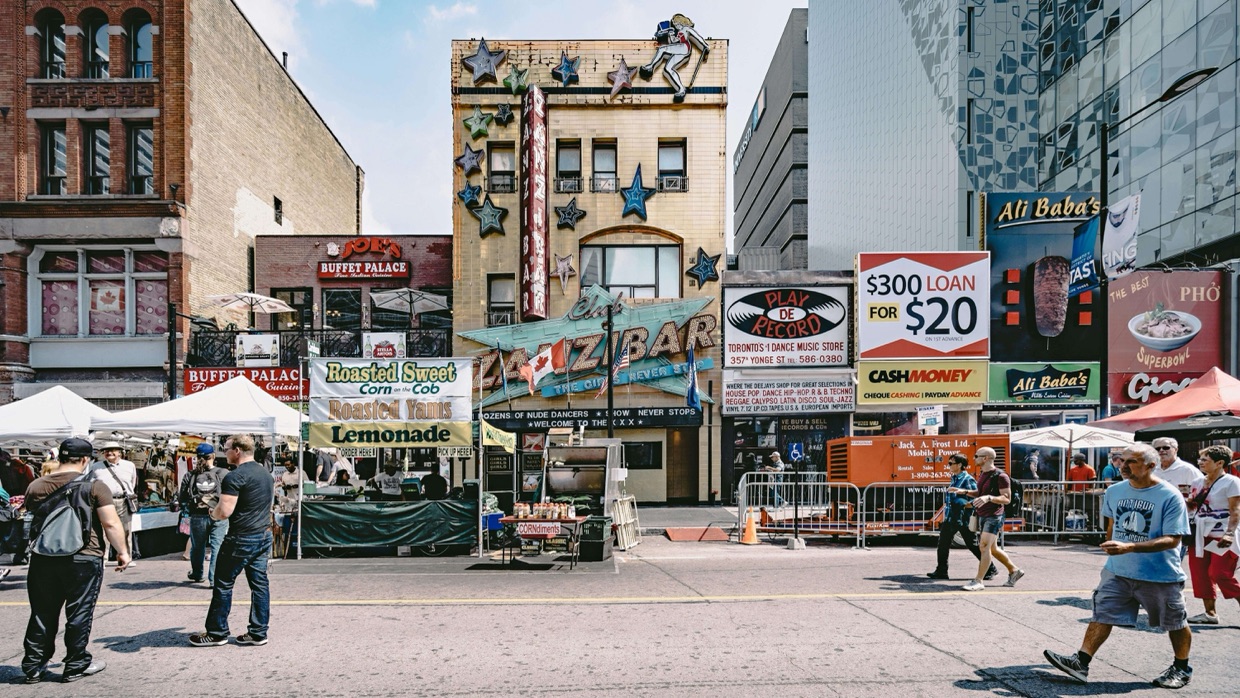
Examples of geographical communities:
15. Urban Districts: Areas like New York's Harlem and London's Camden Town have strong cultural identities.
16. Rural Communities: Farming villages in rural areas often rely on cooperative agricultural efforts and shared economic goals.
17. Regional Communities: Tourist hotspots like Bali, Indonesia, or the Amalfi Coast rely on local cultures to attract global visitors.
Communities of place are shaped by what residents share: schools, markets, transport infrastructure, and local governance. Their resilience depends on participation in local institutions and a sense that members have a stake in where they live.
Communities of Circumstance: Support Through Shared Life Situations
Communities of circumstance form when people face similar life conditions or crises. These communities provide emotional support, resources, and coping mechanisms that are difficult to find elsewhere. Their defining characteristic is that members did not choose their situation. They found each other because of it.
Around 1 in 6 people worldwide experience loneliness, and it is most common among adolescents and younger people, according to the WHO.[6]
The health consequences are measurable. In a 2023 study of Wisconsin residents, people with a negative sense of community were 3.2 times more likely to report moderate-to-severe depression symptoms than those with a positive sense of community.[7]
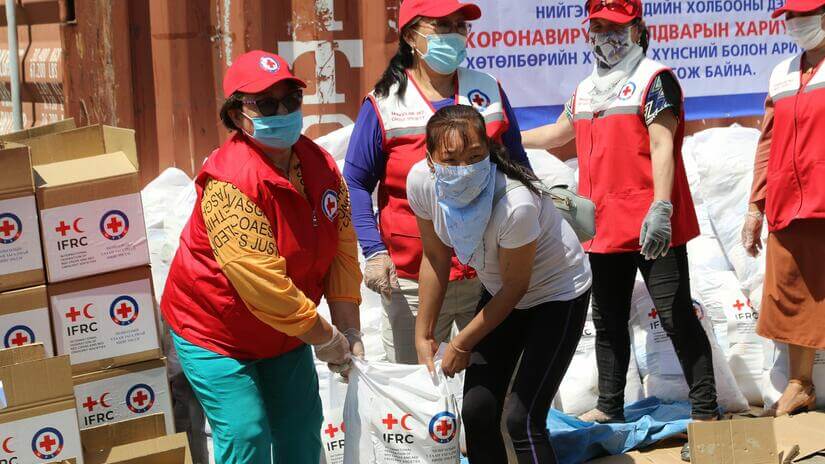
Notable examples:
18. Health Support Groups: Organizations like Cancer Support Communities and Alcoholics Anonymous provide recovery and emotional assistance.
19. Crisis Relief Networks: International aid groups like the Red Cross and CARE respond to natural disasters and humanitarian crises.
20. Parenting Support Circles: Platforms like Mumsnet and BabyCenter help parents share advice and experiences.
These communities create structured spaces where shared experience reduces isolation. Their value extends beyond emotional support. Members exchange practical information, including treatment options, legal resources, and childcare strategies, that improves outcomes in ways that institutional support alone cannot replicate.
Identity-Based Communities: Cultural, Ethnic, and Social Identity Groups
Identity-based communities form around shared cultural, religious, or social identities. They serve multiple functions: preserving cultural heritage, advocating for minority rights, providing spiritual support, and maintaining connections across geographic distances.
Religion is among the most widely shared forms of identity. Pew Research Center's 2025 analysis found that 75.8% of the world's population identified with a religion as of 2020.[8]
Diaspora communities extend identity across borders, forming ethnic and cultural networks that span multiple continents.
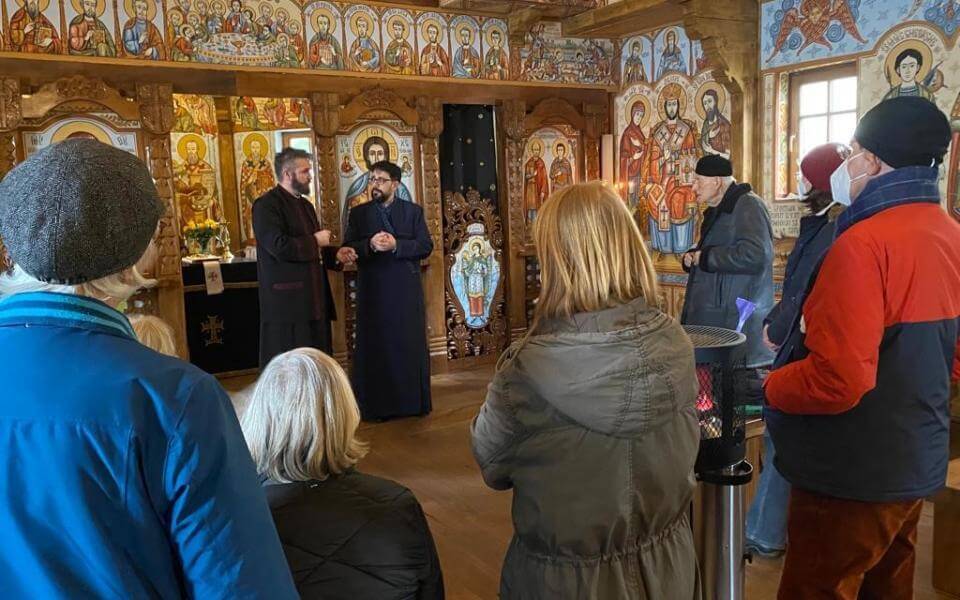
Examples of identity communities:
21. Cultural Organizations: Societies preserving languages and traditions, such as Native American tribes or historical societies.
22. Religious Congregations: Churches, mosques, and temples offer spiritual guidance and communal worship.
23. Ethnic Groups: Global diaspora communities like the African or Asian diaspora maintain cultural roots and family connections.
These communities reinforce identity, provide advocacy, and ensure the continuity of cultural heritage. For members living far from their place of origin, they offer a point of reference that connects personal history to a broader collective story.
Communities of Need: Essential Resource-Focused Groups
Communities of need form around shared resource gaps: food insecurity, housing instability, displacement, or medical need. They emerge in response to emergencies and long-term structural conditions. Their purpose is immediate: to connect people who lack something essential with those who can help provide it.
Food insecurity is one of the most widespread drivers of need-based community formation. In 2025, an estimated 2.1 billion people, or 25.8% of the world's population, faced moderate or severe food insecurity, according to the FAO and four other UN agencies.[9]
Displacement drives another major category. An estimated 117.8 million people worldwide were forcibly displaced at the end of 2025, according to the United Nations.[10]
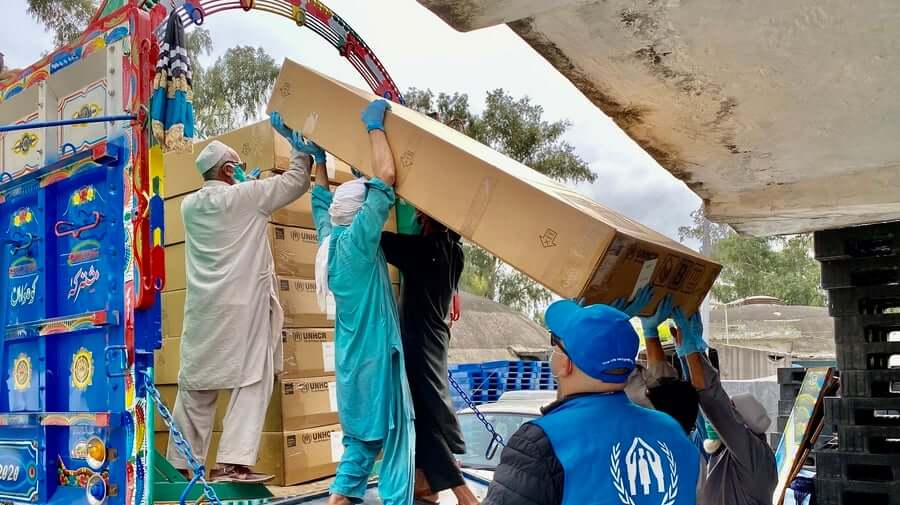
Essential resource-focused groups:
24. Food Banks: Organizations like Feeding America distribute food to low-income families.
25. Homeless Shelters: Charities like the Salvation Army provide housing and essential services.
26. Humanitarian Aid: Global organizations like UNHCR assist refugees and displaced populations.
Communities of need highlight that community structure is often a survival mechanism, not a lifestyle choice. Effective organizations in this space combine immediate resource provision with longer-term pathways such as skills training, housing support, and legal assistance that reduce ongoing dependency on emergency aid.
Conclusion: The Power of Communities
Communities are the structures through which people meet needs they cannot meet alone. Each of the 26 types mapped here operates on a different binding force: shared interest, professional expertise, geographic proximity, cultural identity, or shared hardship. Most people belong to several types at once.
What distinguishes thriving communities from inactive ones is not their type but their structure. Clear membership retention, consistent communication, transparent governance, and tools that make participation easy are what sustain community engagement over time.
For associations, nonprofits, multi-chapter organizations, and civic groups with formal membership, Orgo provides membership management for up to 100,000 members, multi-chapter coordination for organizations with 80 or more chapters, event management with Stripe payment processing in 46+ countries, and GDPR-compliant governance workflows. These capabilities support organizations ranging from national volunteer networks to a presidential campaign that raised €1.3M from 18,700 donors.
References
- Deloitte. Beyond mass appeal: The untapped potential of fandom. Research report. Checked Nov 10, 2026. ↩
- Pew Research Center. Americans' views of and experiences with activism on social media. Research report. Checked Nov 10, 2026. ↩
- Marketing General Incorporated. Insights from the 2023 Membership Marketing Benchmarking Report. Article. The publisher's own summary. The full report is behind a request form. Checked Nov 10, 2026. ↩
- UN Volunteers. State of the World's Volunteerism Report 2026. Research report. Checked Nov 10, 2026. ↩
- Pew Research Center. Feeling close to country, community less common in US than abroad. Research report. Checked Nov 10, 2026. ↩
- World Health Organization. Social Isolation and Loneliness. Article. Checked Nov 10, 2026. ↩
- Family Medicine and Community Health. Sense of community and mental health: a cross-sectional analysis from a household survey in Wisconsin. Academic study. Park et al., 2023. Europe PMC full text, the only copy that opened. Table 2 gives OR 3.18 (95% CI 1.98 to 5.10). Checked Nov 10, 2026. ↩
- Pew Research Center. How the Global Religious Landscape Changed From 2010 to 2020. Research report. Checked Nov 10, 2026. ↩
- FAO, IFAD, UNICEF, WFP and WHO. UN report: Global hunger levels ease for third consecutive year as regional disparities persist. Press release. Joint release for The State of Food Security and Nutrition in the World 2026, dated 21 July 2026. Checked Nov 10, 2026. ↩
- United Nations. Refugees. Article. Checked Nov 10, 2026. ↩